


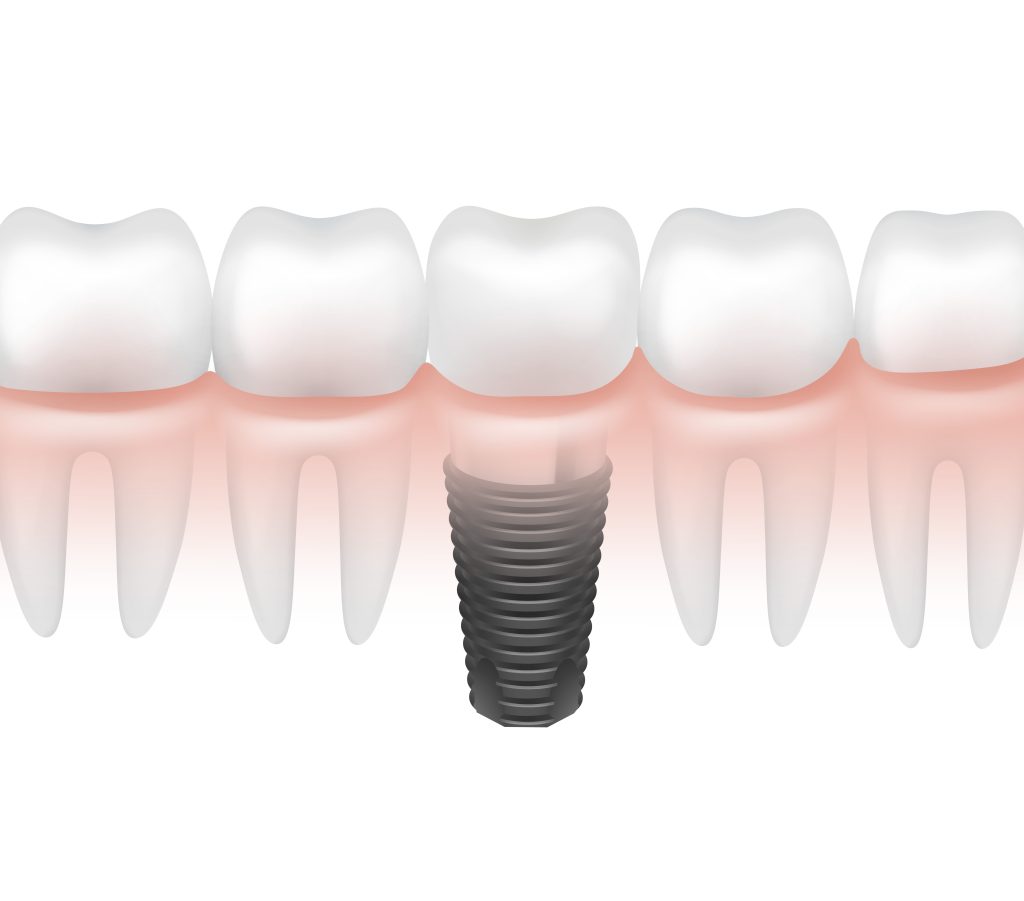
Ever thought about the transformation that a single tooth dental implant can bring to your smile? Losing a tooth to injury or decay doesn’t mean you have to compromise on aesthetics. Dental implants are a game-changer in the world of teeth, offering a strong and natural-looking fix for a lifetime. Keen to learn about getting a single tooth dental implant? We’ll break down the whole process, from the first yarn with the dentist to the final flashy grin on your face. Get set to discover how you can journey towards gaining a smile that radiates confidence!
Introduction
Single-tooth dental implants serve as a long-lasting remedy for tooth loss. These permanent solutions involve embedding a titanium post directly into the jawbone, precisely where the missing tooth once was. A small connector, known as an abutment, serves as a base for the crown (a custom-made replica of your natural teeth) ensuring your implant looks and functions just like the original.
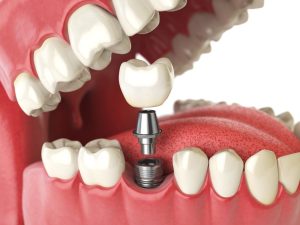
How Do Single Tooth Dental Implants Work?
A single-tooth dental implant is designed to replicate the entire structure of a missing tooth. The procedure involves three key components:
- Dental Implant: This titanium post acts like the root of your former tooth, providing a strong anchorage for the crown.
- Single Tooth dental Implant including Crown: Tailored to match your natural teeth, the crown restores the visible part of your tooth.
- Abutment: This small connector piece secures the crown to the implant, ensuring the stability of your new tooth.
The Single Tooth Dental Implant Procedure: Step by Step
- Consultation and assessment — X-rays/CT scan to check bone density and plan implant position.
- Tooth extraction (if the damaged tooth is still present).
- Bone grafting (only if bone density is insufficient to support an implant).
- Implant placement — the titanium post is surgically inserted into the jawbone.
- Healing period (osseointegration) — typically 3–6 months, during which the bone fuses to the implant.
- Abutment placement — a minor procedure to attach the connector piece.
- Crown attachment — a custom crown, matched to your natural teeth, is fitted onto the abutment.
Total timeline: 6–9 months on average, or up to 12 months if bone grafting is needed. Some of these stages can be combined depending on your individual case.
Pre-Operative Preparation
Before surgery, your dental team will guide you through:
- A course of antibiotics or antibacterial mouthwash, if prescribed
- Fasting from midnight the night before, if you’re having IV sedation
- Arranging transport home, since you won’t be able to drive after sedation
Surgery Day: What Actually Happens
Phase 1 — Implant placement (performed at our Northcote clinic, usually under local anaesthetic or sedation):
- A small incision is made in the gum to expose the jawbone.
- The implant site is precision-drilled.
- The titanium implant is inserted.
- A healing cap is fitted and the gum is stitched closed.
Phase 2 — Crown fitting (after 3–6 months of healing):
- A small incision reveals the healed implant.
- Impressions are taken to design a crown matching your adjacent teeth.
- The abutment and crown are attached — this step is not painful.
Recovery and Aftercare
- Mild bruising and swelling are normal for the first few days.
- Discomfort is usually managed with over-the-counter pain relief.
- Most patients return to work or normal activity the next day.
- Long-term care is the same as for natural teeth: regular brushing, flossing, and dental check-ups.
Benefits of a Single Tooth Implant
- Durability — can last a lifetime with proper care
- Preserves healthy teeth — no need to alter adjacent teeth
- Natural look and function — closest match to a real tooth
- Easy maintenance — brush and floss as normal
Contact Us for Single Tooth Replacement in Auckland
Experiencing tooth loss can be daunting at any age. At My Dental Implants in Northcote, Auckland, we’re committed to restoring not just your smile, but also your confidence. Understanding both the benefits and limitations of single-tooth implants can help you make a well-informed decision. We invite you to schedule a consultation to explore your Dental Treatment options and take the first step towards a flawless smile.
FAQs
Q.1 Is a single tooth implant painful?
The procedure is typically done under local anaesthetic or sedation, so there’s no pain during surgery. Mild soreness and swelling afterward are normal and manageable with over-the-counter pain relief.
Q.2 How long does a single tooth dental implant last?
With good oral hygiene and regular dental check-ups, a single tooth implant can last 20+ years, often a lifetime.
Q.3What’s the difference between a dental implant and a bridge?
An implant replaces the tooth root with a titanium post and doesn’t affect neighbouring teeth. A bridge relies on adjacent teeth being ground down to anchor a false tooth, and typically lasts 10–15 years compared to an implant’s 20+.
Q.4 Can I get a single tooth implant if I’ve had the tooth missing for years?
Often yes, though longer-missing teeth may mean more bone loss, which can require bone grafting first. A consultation and scan will confirm this.