


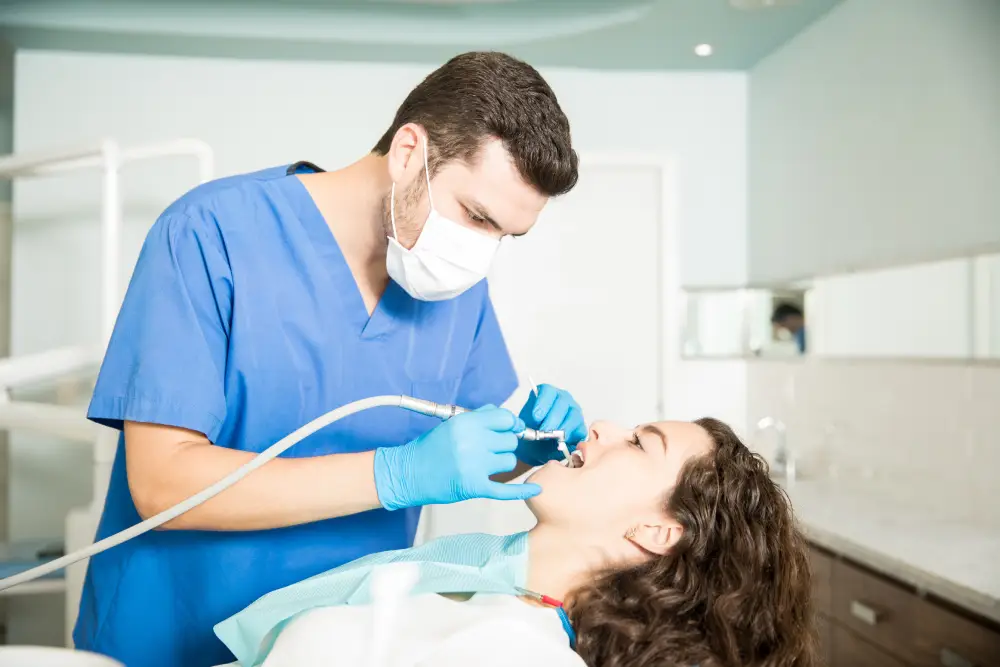
Maintaining good oral health is about more than brushing and flossing at home. Regular dental check-ups are an important part of preventive dental care, helping identify potential problems before they develop into more complex dental conditions.
Even if your teeth feel healthy and you are not experiencing pain, underlying issues such as tooth decay, gum disease, enamel wear, or early infection may not be noticeable without a professional examination. Routine dental visits allow these concerns to be identified and managed as early as possible.
What Is Preventive Dental Care?
Preventive dental care focuses on maintaining your oral health and reducing the risk of dental problems rather than waiting until symptoms develop.
Depending on your individual needs, preventive care may include:
- Routine dental examinations
- Professional teeth cleaning
- Dental X-rays when clinically indicated
- Fluoride treatments
- Oral cancer screening
Why Are Regular Dental Check-Ups Important?
Many dental problems can develop gradually without causing obvious symptoms. Tooth decay, for example, may not become painful until it has progressed significantly. Similarly, gum disease can develop without noticeable discomfort during its early stages.
Regular examinations give your dentist an opportunity to identify these conditions before they become more difficult to manage.
Early detection may help:
- Prevent minor problems from becoming more serious
- Reduce the need for extensive dental treatment
- Protect natural teeth
- Maintain healthy gums
- Identify changes in your oral health
- Monitor existing dental work
- Provide personalised advice for maintaining your smile
What Happens During a Dental Check-Up?
A routine dental examination is tailored to your individual oral health needs. Your dentist will assess your teeth, gums, bite, and surrounding oral tissues.
Your appointment may include:
Examination of Your Teeth
Your dentist checks for signs of:
- Tooth decay
- Cracks or fractures
- Enamel wear
- Tooth sensitivity
- Damaged or failing restorations
If necessary, dental X-rays may be recommended to identify problems that cannot be seen during a visual examination.
Gum Health Assessment
Your gums are an important part of your overall oral health. Your dentist may assess for signs of gum inflammation, bleeding, recession, or periodontal disease.
Untreated gum disease can affect the tissues and bone supporting your teeth, which can ultimately contribute to tooth loss.
Assessment of Existing Dental Work
If you have crowns, bridges, fillings, veneers, or dental implants, these can also be monitored during routine examinations.
Regular monitoring helps your dental team identify signs of wear, damage, or other concerns that may require attention.
Oral Hygiene Advice
Your dentist or dental hygienist can also provide personalised advice on brushing, cleaning between your teeth, and other aspects of your daily oral hygiene routine.
How Often Should You Have a Dental Check-Up?
There is no single schedule that is appropriate for everyone.
Some people may benefit from routine examinations every six months, while others may require appointments more or less frequently depending on their individual risk factors and oral health.
You may need more frequent dental visits if you have:
- A history of gum disease
- Frequent tooth decay
- Significant plaque or tartar build-up
- Multiple dental restorations
- Dental implants requiring ongoing monitoring
- Certain medical or lifestyle factors that affect oral health
Why You Shouldn’t Wait Until You Have Tooth Pain
One of the most common misconceptions about dental care is that you only need to visit a dentist when something hurts. In reality, pain can be a sign that a dental problem has already progressed.
For example, early tooth decay may not cause noticeable symptoms. By the time significant pain develops, the tooth may require more extensive treatment. Regular check-ups allow potential problems to be identified while they may still be easier to manage.
What Are the Benefits of Preventive Dental Care?
Preventive dentistry can provide several long-term benefits.
- Early Detection: Dental problems can often be managed more effectively when identified at an early stage.
- Protection of Natural Teeth : Early treatment can help preserve natural tooth structure and reduce the risk of tooth loss.
- Healthier Gums: Regular examinations and professional cleaning can help manage plaque and tartar and support healthier gums.
- Reduced Risk of Complex Treatment: Addressing dental problems early may help prevent the need for more extensive procedures later.
- Long-Term Smile Maintenance: Regular professional care helps monitor changes in your oral health and maintain your smile over time.
Conclusion
Regular dental check-ups are one of the simplest ways to take a proactive approach to your oral health. They allow potential problems to be identified early, support healthy teeth and gums, and help you make informed decisions about your ongoing dental care.
For patients considering dental implants in Auckland, maintaining good oral health is also an important part of preparing for and maintaining restorative treatment. At My Dental Implants NZ, our focus is on providing personalised dental care based on your individual needs and long-term oral health goals.
FAQs
Q.1 How often should I have a dental check-up?
Ans: The recommended frequency depends on your individual oral health and risk factors. Many people have routine examinations approximately every six months, but your dentist may recommend a different interval.
Q.2 Are dental check-ups necessary if my teeth feel fine?
Ans: Yes. Some dental problems, including early tooth decay and gum disease, may not cause noticeable symptoms. Regular examinations can help identify these issues before they become more advanced.
Q.3What is included in a routine dental examination?
Ans: A routine examination may include an assessment of your teeth, gums, bite, oral tissues, existing restorations, and overall oral health. X-rays may be recommended when clinically appropriate.
Q.4 Do I need regular check-ups after getting dental implants?
Ans: Yes. Dental implants require ongoing care and professional monitoring. Regular appointments allow your dentist to assess the implant, surrounding tissues, and implant-supported restoration.